How the group operates
Mega Spin Group's environmental position rests on two things that are structural rather than promotional: a paper mill that exists to recycle, and solar generation that carries most of the farm electricity load. This page sets out what is actually in place.
Solar generation
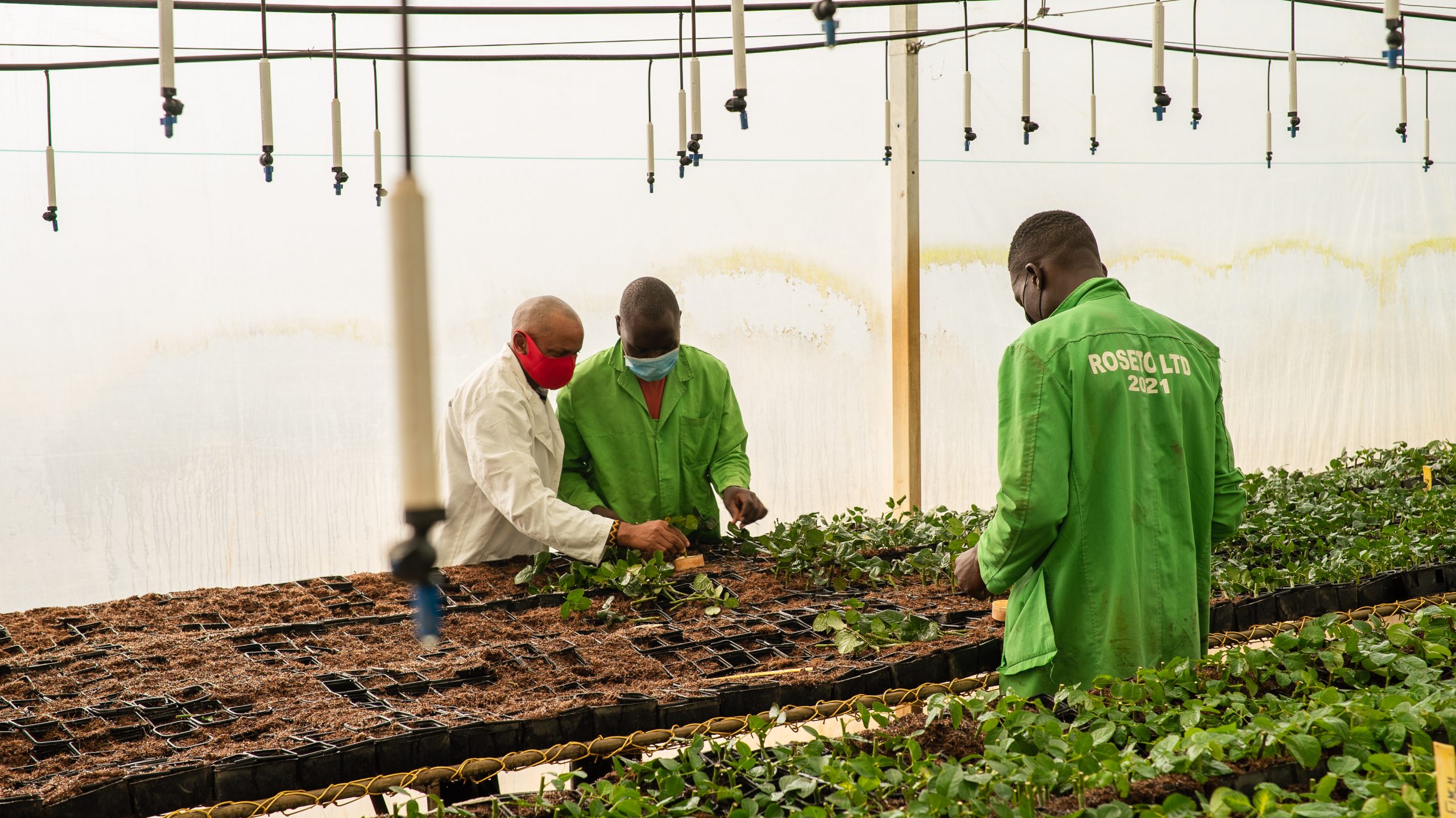
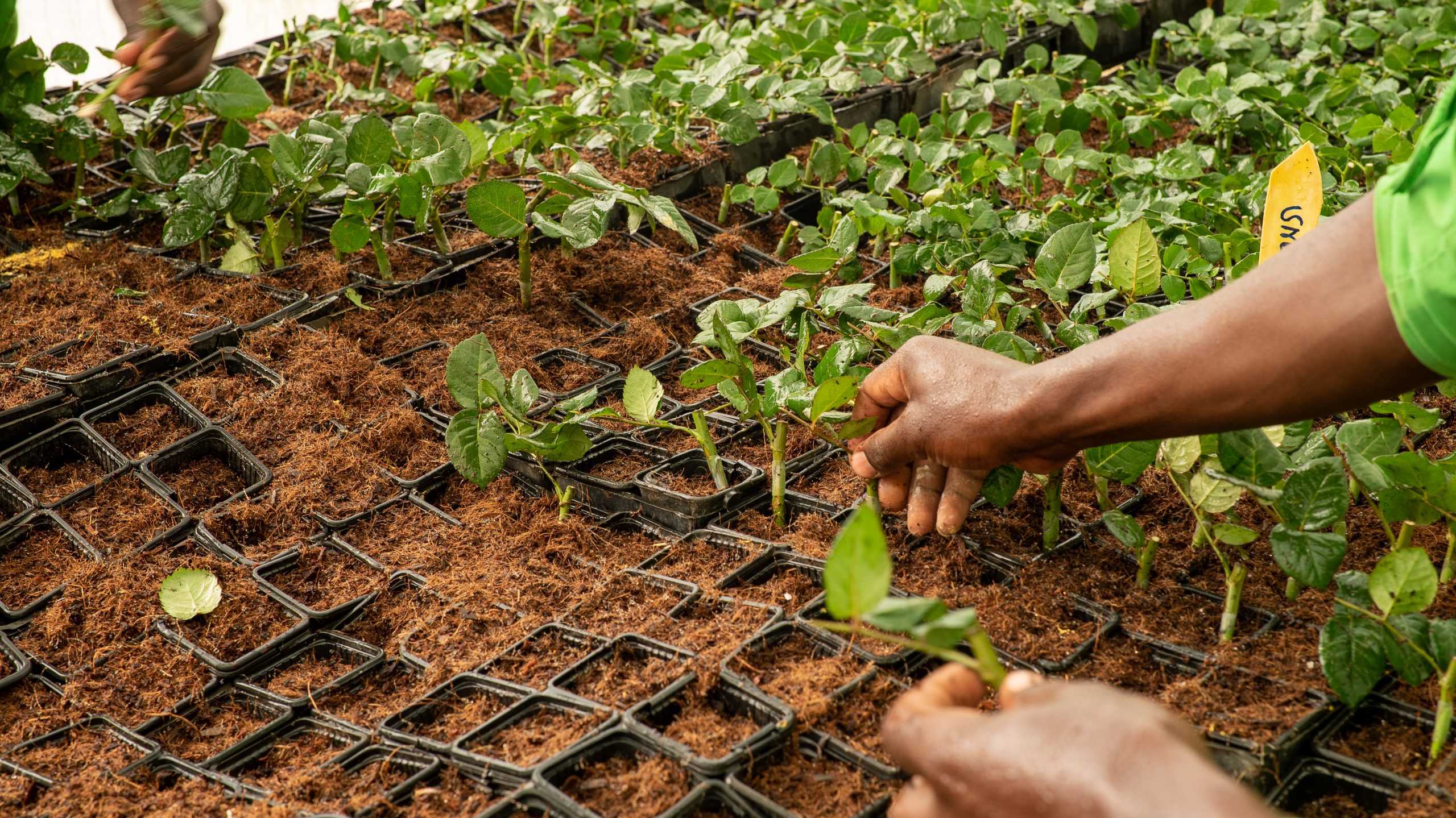
The group's flower farms draw approximately 90% of their electricity from on-site solar generation. The manufacturing sites run at approximately 45%.
The gap between the two figures is a matter of load profile rather than ambition. Greenhouse demand — irrigation pumping, ventilation, cold storage — peaks during daylight hours and aligns closely with the solar generation curve, so a high share can be carried directly without storage. Manufacturing runs heavy continuous loads outside daylight hours, and the corrugator and paper machine draw more than a rooftop array can supply on its own.
- Flower farms
- Approximately 90% of electricity from on-site solar
- Manufacturing sites
- Approximately 45% of electricity from on-site solar
A mill that exists to recycle
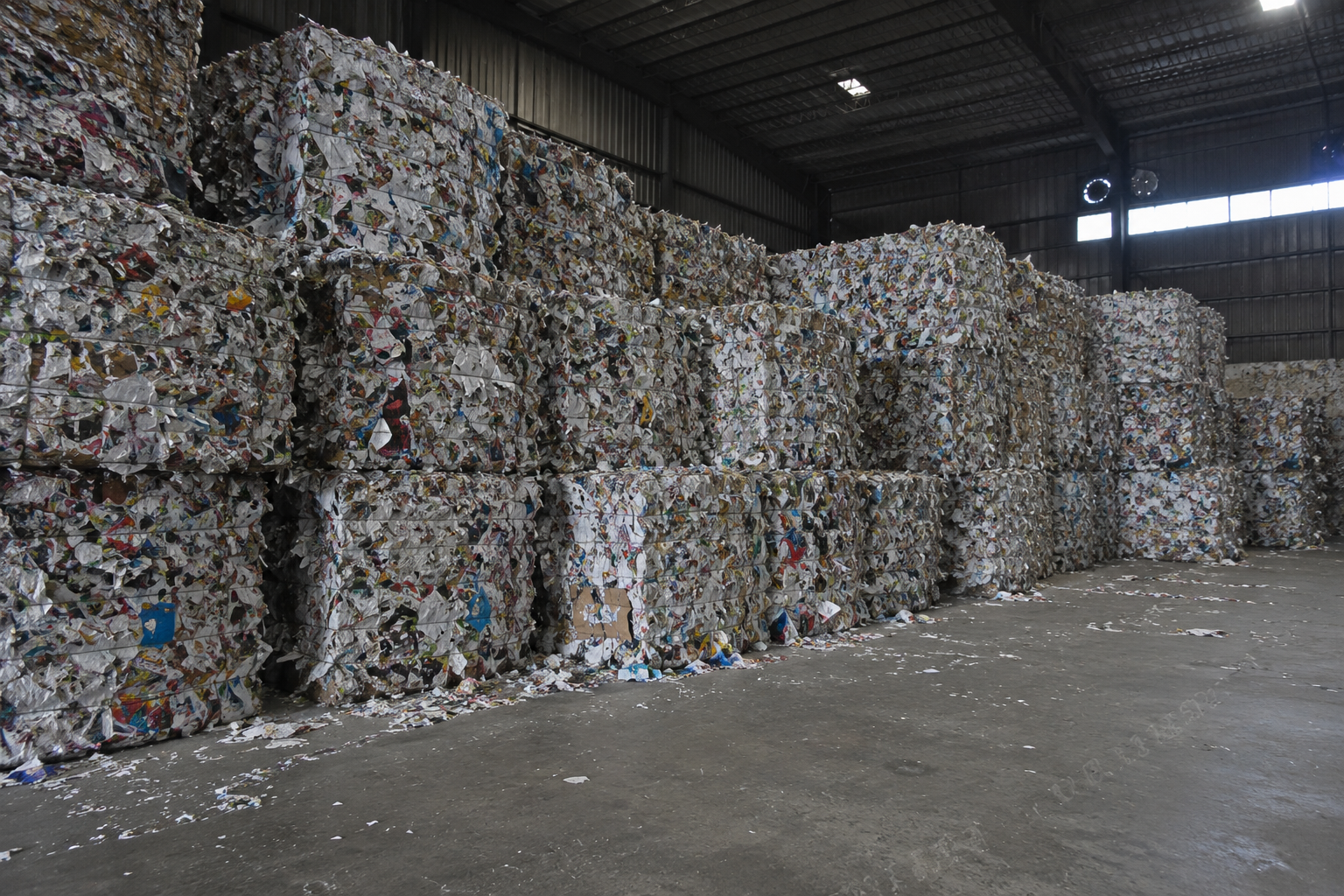
Mega Paper is a recycling mill by design, not a virgin-fibre mill with a recycling line attached. It takes in recovered waste paper and converts it into new paper stock from 100 gsm to 240 gsm, at an installed capacity of 36,000 metric tonnes per annum.
Two things follow. Waste paper that would otherwise go to landfill in Kenya is diverted into productive use, and the group's packaging business is supplied domestically rather than from imported virgin fibre — which removes both the emissions and the foreign-exchange exposure of importing board.
Vertical integration as an environmental position
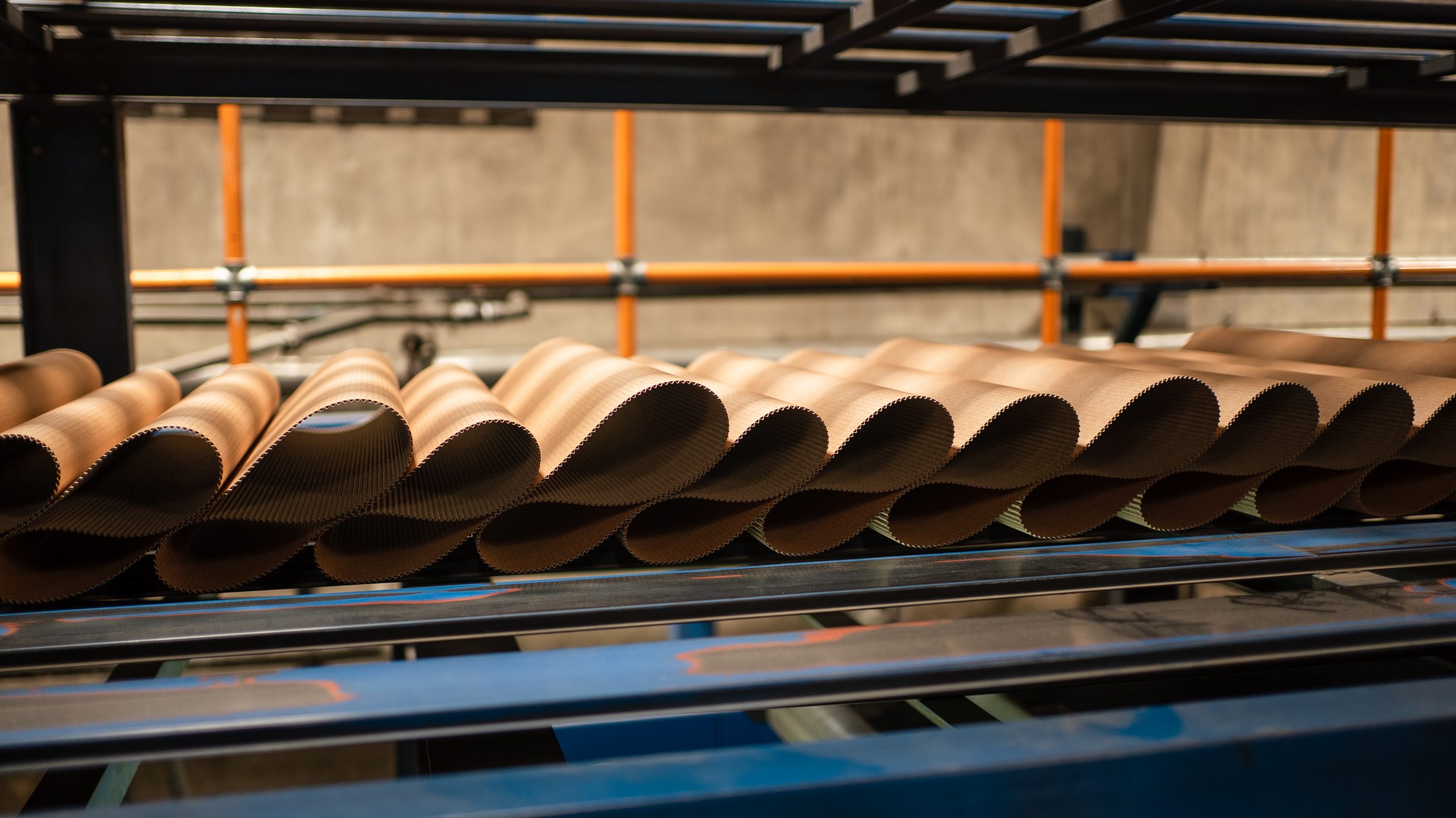
The group recycles paper, converts it into corrugated board, makes that board into flower boxes, and grows the flowers those boxes carry. Each stage sits within a few dozen kilometres of the next, in Nakuru County.
The practical effect is that a box used by a Mega Spin farm has not crossed an ocean before it is filled. In an industry where packaging is routinely imported into East Africa, keeping the whole chain local removes a substantial amount of freight from the product's footprint.
Certification
Florenza holds Fairtrade certification. Fairtrade sets requirements covering worker conditions, freedom of association and a premium paid into a worker-controlled fund, and it is audited by a third party rather than self-declared.
Roseto and Sierra Flora operate to the same internal production and post-harvest standards but do not currently hold Fairtrade certification. We state this plainly because certification claims that blur across sister companies are exactly the kind of thing buyers are right to check.
More detail at Mega Paper and the flower farms.